Used car PCP calculator
- Work out monthly payments on a used car PCP
- See total cost and the balloon at the end
- Built for used-car rates and shorter terms
- Compare against HP and a personal loan
- No sign-up required
Used car PCP calculator
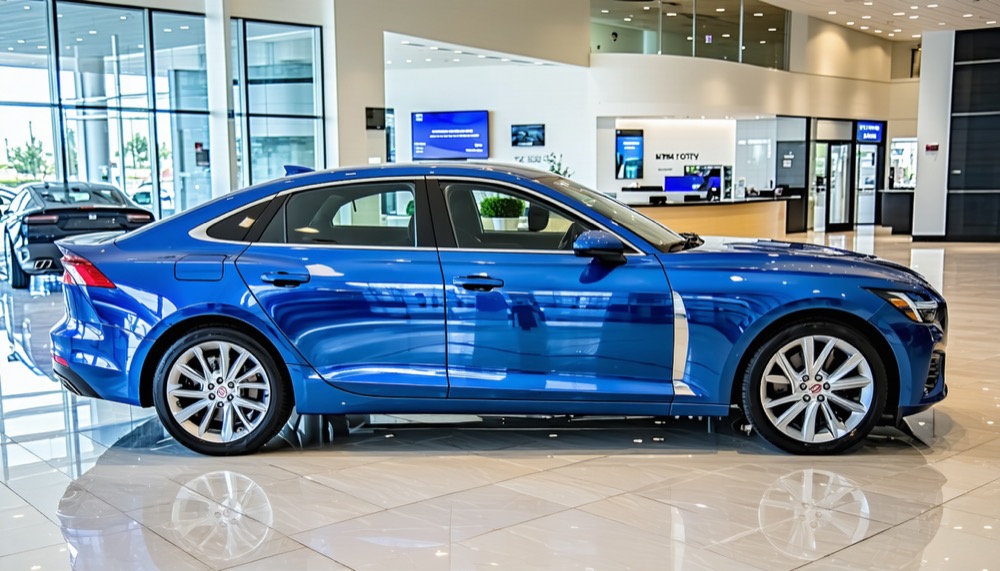
Enter the used car's price, your deposit, the balloon or GMFV, the APR and the term. The maths is the same as a new car PCP, but used deals tend to have a lower balloon, shorter terms and a higher APR, so the defaults here reflect a typical used deal.
| Car price | £15,000 |
| Less deposit | −£1,500 |
| Amount financed | £13,500 |
| Monthly payment × term | £11,489 |
| Balloon payment | £6,000 |
| Total amount payable | £18,989 |
Figures are illustrative only and not financial advice. Your actual APR and balloon depend on the lender and your circumstances. For your rights and how car finance is regulated, see the FCA guide to car finance.
Sources
- FCA car finance, hire purchase and PCP fca.org.uk
- MoneyHelper buying and running a car moneyhelper.org.uk
- Bank of England base rate bankofengland.co.uk
PCP on a used car
PCP isn't just for new cars. Most franchised dealers and plenty of independents will put a used car on a Personal Contract Purchase, often under an approved-used badge. You pay a deposit, make fixed monthly payments, and there's a balloon (the GMFV) waiting at the end, exactly like a new deal. What changes is the shape of the numbers, and those differences work mostly in your favour.
The big one is depreciation. A new car loses the most value in its first year, sometimes a fifth of the price before you've done a full service. A used car has already taken that hit. So on a used PCP the balloon is a smaller slice of the price, and you're far less likely to end up owing more than the car is worth. That lower negative-equity risk is the quiet advantage of buying used on finance.
A worked example on a £15,000 used car
Take a three-year-old car priced at £15,000, with a 10% deposit, a £6,000 balloon at 40% of the price, 9.9% APR over 48 months. That works out at about £239 a month. Across the term you'd pay roughly £11,489 in monthly payments, plus the £1,500 deposit, so around £12,989 before the balloon. Pay the £6,000 balloon to keep the car and the total is about £18,989, of which £3,989 is interest.
| Element | Amount |
|---|---|
| Used car price | £15,000 |
| Deposit (10%) | £1,500 |
| Amount financed | £13,500 |
| Balloon / GMFV (40%) | £6,000 |
| APR | 9.9% |
| Term | 48 months |
| Monthly payment | ≈ £239 |
| Total interest | ≈ £3,989 |
Three ways used PCP differs from new
The calculator maths is identical, but the inputs sit in different ranges:
- Lower balloon. Used GMFVs tend to be 30% to 45% of the price rather than the 40% to 55% you see on a new car, because the fast early depreciation has already happened.
- Shorter terms. Lenders rarely want the car older than about 8 to 10 years at the end, so a five-year-old car might only be offered a three or four-year deal.
- Higher APR. There's no manufacturer subsidy on used stock, so rates usually land between 8% and 13% rather than the headline 0% deals on new models.
Is used PCP worth it?
It depends on what you want at the end. If you like changing cars every few years and want low monthly payments, used PCP does the job and carries less depreciation risk than a new deal. If you intend to keep the car, look hard at the total cost, because a higher APR on PCP can make hire purchase or a personal loan cheaper overall once you've settled the balloon. Run the same car through the PCP vs HP vs loan comparison before you decide.
One more thing worth checking: the car's history and condition. A used PCP still ties you to a mileage limit and fair wear and tear rules, and the guaranteed future value assumes the car is looked after. The MoneyHelper guide on buying a car is a sensible neutral read before you commit.
What happens at the end
Same three choices as any PCP. Pay the balloon and keep the car, hand it back with nothing more to pay if it's within the mileage and condition terms, or part-exchange and roll any positive equity into your next deal. Because used cars hold their value more steadily, there's a decent chance you'll have equity to play with. Check where you stand any time with the PCP equity calculator, or estimate the cost of clearing the deal early with the settlement calculator.